Pet Safety
The Hidden Dangers of Fleas and Ticks in North Georgia
Fleas and ticks are easy to dismiss as a seasonal annoyance. In North Georgia, though, they’re a genuine health threat, and the risks for your pet go well beyond a little scratching.
More Than Itchy: What Fleas Actually Do
The most common flea-related condition is flea allergy dermatitis (FAD), a hypersensitivity reaction to proteins in flea saliva. A single bite triggers an intense allergic response in sensitive animals and can include relentless itching, hair loss, inflamed skin, and open sores that invite secondary infections [1]. Fleas also transmit tapeworms: if your pet chews at an itchy spot and accidentally swallows an infected flea, you may later notice small rice-shaped segments around their rear end or in their bedding. In severe infestations, especially in kittens, puppies, and older pets, blood loss from flea feeding can cause anemia, which requires emergency veterinary care.
The Tick Problem Is More Serious
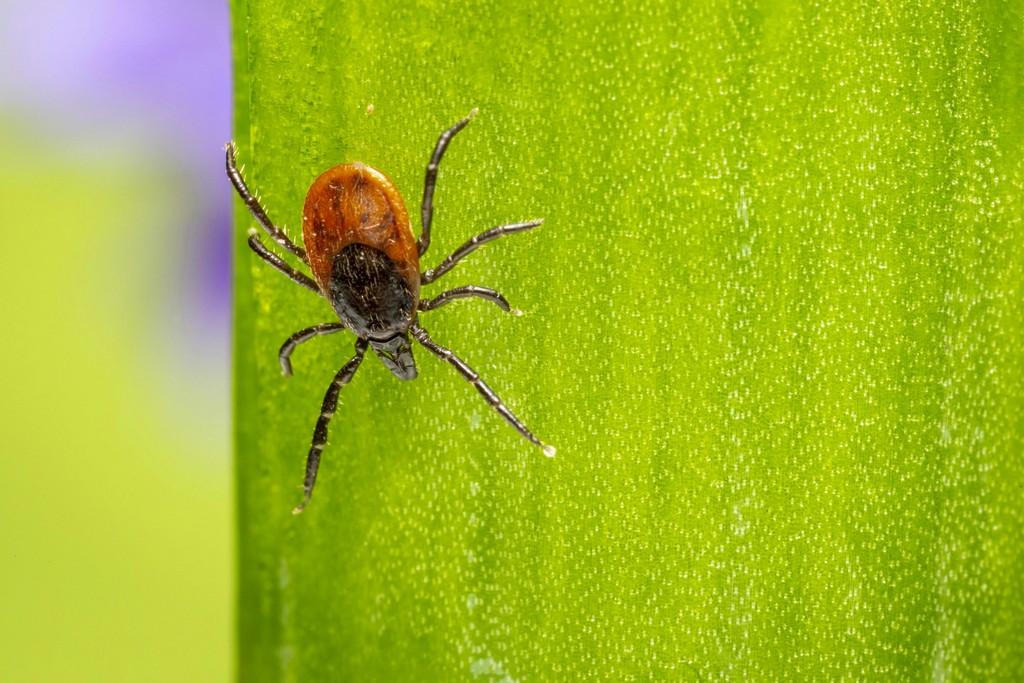
Unlike fleas, ticks are direct carriers of bacteria and pathogens. North Georgia is home to five of the seven tick species known to transmit disease in the United States [2]. Rocky Mountain Spotted Fever is the most common and most dangerous tick-related disease and causes symptoms including fever, vomiting, nosebleeds, and internal hemorrhaging. Ehrlichiosis is also disproportionately prevalent in Georgia [3] and can lead to chronic debilitation if untreated. Lyme disease, spread by black-legged ticks, causes fever, lameness, and in severe cases, kidney or cardiac complications. At Taylorsville Animal Hospital, we take tick bites seriously and work fast to protect your pets and your family.
Signs to Watch for at Home
The most common early sign of flea and tick bites is excessive scratching or chewing around the tail base, belly, or thighs. If something seems off with your pet, check their coat for small black specks known as flea dirt: if they turn reddish-brown when pressed with a damp paper towel, you’ve confirmed fleas.
To check for ticks, examine the warm, hidden areas of your pet’s body, especially after outdoor time (such as behind the ears, between the toes, and under the collar).
If your pet develops a fever, lethargy, or starts limping after a suspected tick bite, never wait it out: call your vet immediately as it can be an emergency.
To contact Taylorsville Animal Hospital’s emergency line, call 678-685-4217.
Prevention Is the Easy Part
Oral monthly chewables, topical spot-on treatments, and preventive collars (some effective up to 8 months) are all reliable options your vet can help you choose between. Annual wellness screening with the 4Dx test is also worth asking about, since it checks dogs for Lyme disease, anaplasmosis, and ehrlichiosis alongside heartworm. One important note: cats are highly sensitive to many chemicals in dog-formulated products, so never apply a flea or tick treatment to your cat without checking with your vet first [4].
North Georgia is Uniquely Risky for Pets
Georgia’s warm, humid climate means tick season runs nearly year-round, and fleas don’t stop in winter, either: instead, they just move inside. If your pet spends time at local parks like Dellinger Park, on area trail systems, or in any backyard backing up to tree cover, exposure is ongoing, not seasonal.
Prevention is dramatically cheaper and easier than treatment. A consistent plan matched to your pet is the most practical thing you can do.
Flea and tick season doesn’t take a break in North Georgia, and neither should your pet’s protection. Schedule a preventive care visit at Taylorsville Animal Hospital today.
Sources
[1] AAHA. “The Health Risks of Fleas and Ticks.” https://www.aaha.org/resources/the-health-risks-of-fleas-and-ticks/
[2] Mangold, K.A. et al. MDPI Veterinary Sciences, 2021. https://www.mdpi.com/2306-7781/8/3/37
[3] Active Pest Control. “Tick-Borne Diseases in the State of Georgia.” https://activepestcontrol.com/tick-exterminators/tick-borne-diseases-in-the-state-of-georgia/
[4] CDC. “Preventing Ticks on Pets.” https://www.cdc.gov/ticks/prevention/preventing-ticks-on-pets.html
Contact Us