Veterinary Services
Why Your Pet's Teeth Matter More Than You Think
Most of us wouldn't skip our own dental checkups for years on end. But for our pets, it's often one of the first things that falls off the radar.
Dental care is one of the most overlooked parts of keeping a pet healthy. Here's what every pet owner should know.
Dental Disease Is More Common Than You Might Expect
More than 80% of dogs and 70% of cats develop some form of dental disease by age three [1]. That's a striking number.
What makes it harder is that your pet can't tell you when their mouth hurts. Animals instinctively mask pain, so dental disease often quietly worsens long before you notice anything is wrong. Catching it early makes treatment simpler and keeps your pet more comfortable in the long run.
It's About More Than Just the Mouth
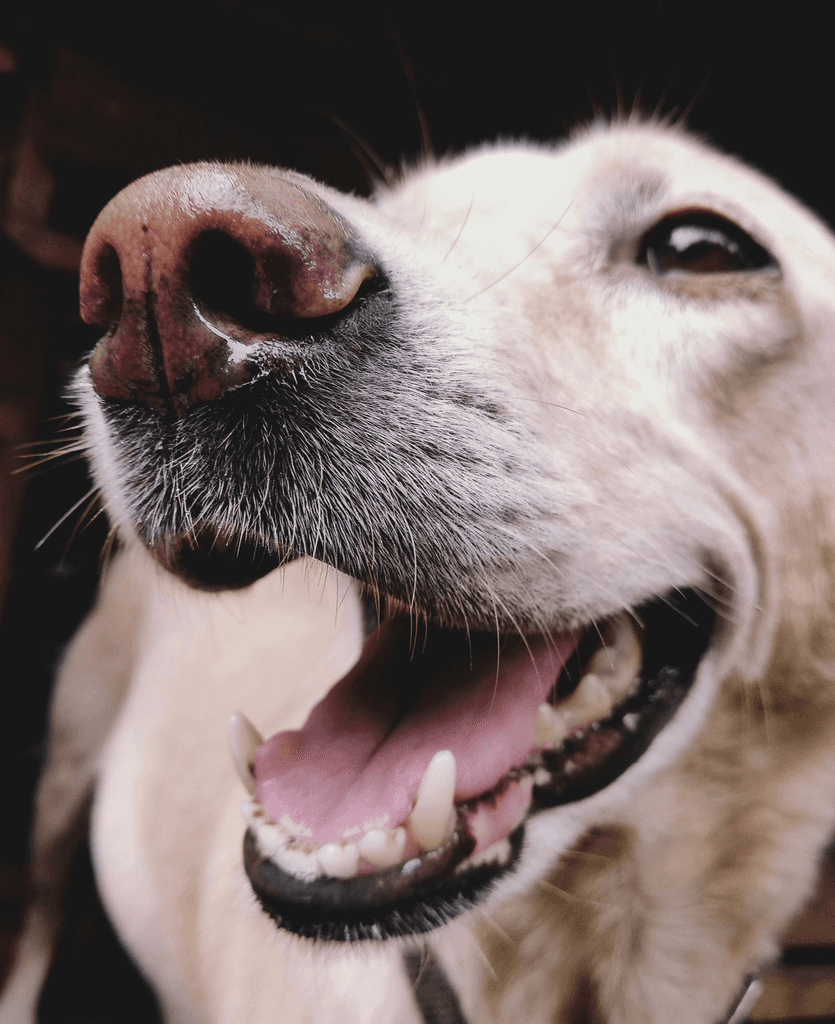
Your pet's dental health and their overall health are more connected than most people realize. When bacteria from dental disease enter the bloodstream, infection can spread to other organs in your pet’s body and cause complications in the heart, kidneys, and liver [2]. Even clean-looking pet teeth can hide infection below your pet’s gumline, so vigilance is key.
Signs Your Pet May Have a Dental Problem
You don't need to be a vet to spot a problem with your pet's teeth. Here's what to watch for:
Bad breath that's noticeably stronger than usual
Reluctance to eat, or chewing on one side of the mouth
Pawing at the face or mouth
Red, swollen, or bleeding gums
Visible tartar buildup (yellow or brown deposits near the gumline)
If your pet is showing any of these signs, it's worth getting their mouth looked at. Taylorsville Animal Hospital’s team can provide you with a professional opinion on your pet’s dental health.
What You Can Do at Home and When to Call Us
Brushing your pet's teeth is the gold standard, and it's more achievable than it sounds with the right technique and a pet-safe toothpaste. (Nervous to brush your pet’s teeth? We're always glad to walk you through it at your appointment.) Dental chews and water additives can also help slow tartar buildup between visits.
Alongside home care, professional guidelines recommend regular oral exams and cleanings under general anesthesia for all adult dogs and cats, typically starting at one year of age [3]. Think of it the same way you think of your own dentist: brushing at home is essential, but it doesn't replace the cleaning.
Whether you’re a seasoned pet parent or are new to animal caretaking, starting good habits early and keeping up with professional checkups gives your pet the best shot at a healthy, comfortable mouth for life.If your pet is due for a dental exam or you have questions about their oral health, Taylorsville Animal Hospital is here to help.
Sources
[1] American Veterinary Medical Association (AVMA). "Pet Dental Care." avma.org/resources-tools/pet-owners/petcare/pet-dental-care. Corroborated by the American Veterinary Dental College, cited in American Humane, "Why Pet Dental Health Matters," americanhumane.org (February 2026).
[2] Colorado State University Veterinary Teaching Hospital. "Preventing Dental Disease in Dogs and Cats." https://vetmedbiosci.colostate.edu/vth/animal-health/keeping-your-pets-teeth-clean-is-important-to-their-overall-health/
[3] American Animal Hospital Association (AAHA) Dental Care Guidelines. Cited via CSU Veterinary Teaching Hospital (see source 2).
Contact Us